

Winter vs Summer Wiper Blades: 6 Differences to Know
Last Updated: 6 November 2026
Quick Summary
Winter wiper blades have a fully enclosed frame and rubber formulated to stay flexible in low temperatures, so they resist ice build-up and keep even contact with the windscreen. Standard summer blades use an open frame and usually suit mild weather. Choose winter wiper blades if you regularly face frost, sleet or snow.
- Winter blades usually have a fully enclosed protective shell that stops snow and ice clogging the joints.
- Summer blades use a traditional open frame that is simpler and lighter but can collect ice.
- Winter rubber stays flexible in low temperatures, while standard summer rubber can stiffen and streak.
- Check blade length on both the driver's and passenger's side, as they are often different.
- Look for streaks, smears, skipping or split rubber, and replace blades before your MOT.
Table of Contents
- What Separates Winter Wiper Blades From Summer Blades
- Winter Wiper Blades vs Standard Summer Blades in Practice
- How Heavy Rain, Road Spray and Wind Lift Affect Each Type
- Beam Wiper Blades: Do They Suit Winter Conditions?
- Are Winter Wiper Blades Worth the Extra Cost?
- How to Choose the Right Wiper Blade for Your Car
- Booking Your Replacement Blades Before Your Next MOT
- Frequently Asked Questions
Choosing between winter and summer wiper blades can feel like a small decision, but it makes a real difference when the rain turns to sleet on a Tuesday morning. Choosing the right blade for the wet, cold and windy conditions UK drivers face makes a real difference to visibility. Winter wiper blades are built to resist ice build-up and keep contact pressure even across the windscreen. Standard summer blades are usually lighter, and they can work well in mild weather. Readers comparing blade types can buy a matching wiper blade kit for a classic Jaguar E Type convertible. Below, we explain the six differences that matter most, so you can pick the right blade for your car.
What Separates Winter Wiper Blades From Summer Blades
Winter wiper blades differ from summer blades mainly in how the frame and rubber are built. The design choices affect how the blade copes with ice, snow, slush and temperature swings. Each of the two sections below covers one of these differences.
Frame design and ice resistance
Winter blades usually have a fully enclosed protective shell, often called a hybrid or beam-style frame. The shell stops snow and ice from clogging the joints that a conventional metal-framed blade exposes. Summer blades use a traditional open frame, which is simpler and lighter but can collect ice in its arms.
Rubber compound and temperature tolerance
The rubber on a winter blade is formulated to stay flexible in low temperatures. Standard summer rubber can stiffen in the cold, which leads to skipping, streaking and missed patches. Winter rubber is generally more forgiving when the temperature drops and the windscreen is coated in road grime.
Winter Wiper Blades vs Standard Summer Blades in Practice
In practice, the two types behave differently in the situations drivers meet most often.
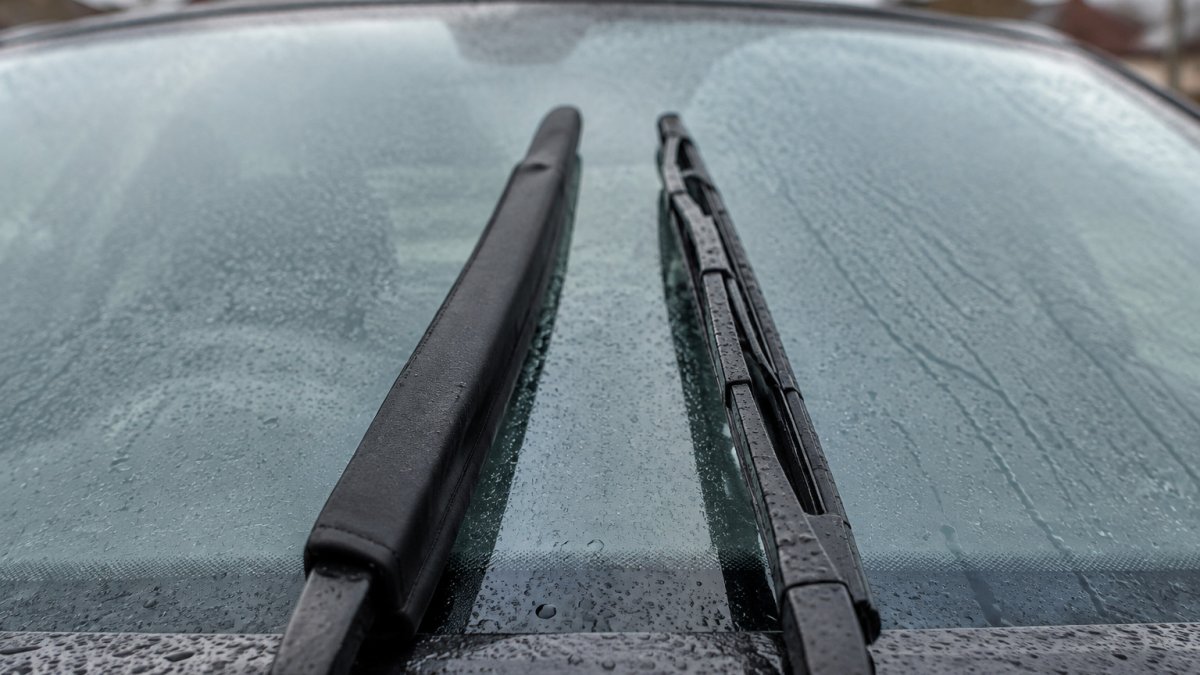
A standard summer blade will usually clear a dry or lightly wet windscreen well, especially in mild weather. Once the temperature falls towards freezing, its rubber can harden, which may cause skipping and streaking.
A common pattern in mixed British weather is a single journey that moves from rain to slush to frost. In those conditions a summer blade often starts well and deteriorates as the screen cools and the frame ices up, while a winter blade holds its performance for longer. The trade-offs are worth considering: winter blades can differ in weight and noise from summer blades.
Watch out: a blade fitted to the wrong arm length or curvature may not perform as expected.
To judge which type is working on your car, check the blade after a cold start. A summer blade that leaves bands, judders across the glass or needs two or three passes to clear a patch is telling you its rubber has hardened or its frame is clogged. If it does not, the problem is more likely fitment or a worn edge than the blade type itself.
How Heavy Rain, Road Spray and Wind Lift Affect Each Type
Heavy rain tests a wiper blade's water clearance, and contact pressure along the length of the blade plays a key role. A blade that presses evenly against the glass pushes the water film ahead of the rubber edge and clears it in one pass. A blade with uneven pressure, often caused by a stiff frame, a worn spring strip or a blade that does not match the windscreen's curvature, leaves thin bands of water that cut visibility at motorway speeds, precisely when you need clear glass most.
Road spray from lorries and vans adds a second challenge. Spray is not clean water; it carries oil, rubber particles and road grime that the blade must lift rather than smear. A blade with a hardened or contaminated edge tends to spread that film into a haze that dries on the screen and worsens with each pass.
Wind lift is the third factor. At higher speeds, air flowing over the windscreen can push the blade away from the glass, reducing contact pressure and causing the blade to skip or leave an unwiped arc.
A practical way to assess your own blades is to note where the screen fails to clear. A single unwiped band near one end points to uneven pressure or a bent arm. A haze that appears across the whole screen points to a contaminated or hardened edge. A blade that clears well at low speed but skips at higher speed points to wind lift. Each symptom has a different cause, and replacing the blade type alone will not fix a bent arm or a dirty screen.
Watch out: a clean windscreen matters as much as the blade. A screen coated in dried grime or old screenwash residue will cause smearing even with a new winter blade, so clean the glass before judging whether the blade is at fault.
Beam Wiper Blades: Do They Suit Winter Conditions?
Fitment depends on the arm and adaptor design of your vehicle, so always check compatibility before buying.
Are Winter Wiper Blades Worth the Extra Cost?
Winter blades usually cost more than basic summer blades, so the question is whether the extra spend pays off. For drivers in areas that see frequent frost, snow or heavy rain, the extra spend may be worthwhile.
For drivers in mild, dry areas who rarely face severe weather, a good-quality summer blade may offer better value. Replacing blades once a year can be more sensible than paying for features you rarely use. Pricing depends on blade type and vehicle, so check the Vipa Car Parts website for current prices.
How to Choose the Right Wiper Blade for Your Car
Start with your vehicle's make, model and year, because blade length and fitting type differ between cars. Check the length of each blade on the driver's and passenger's side, as they are often different. Next, consider your local climate. If you regularly face frost and sleet, a winter or beam-style blade is usually the better choice.
Look at the fitting type too. Common options include J-hook, bayonet and side-pin connections, and the wrong one will not attach securely. Our vehicle registration search and fitting guides can help you confirm the right blade before you order.
Booking Your Replacement Blades Before Your Next MOT
Wiper blades are checked during an MOT, and a worn or streaking blade can cause a fail (Top 3 MOT fail items). Look for signs of wear such as streaks, smears, skipping or split rubber, and replace the blades as soon as you notice them.
Our vehicle registration search helps you find the exact blades for your car, and free delivery on all orders can help you order in time. Every order comes with a 30-day no-quibble return policy. Find wiper blades for your car on the Vipa Car Parts website today.
Frequently Asked Questions
What is the difference between winter and summer wiper blades?
Winter and summer wiper blades are designed for different seasonal conditions. Choosing the correct length for your vehicle matters more than the type, so check the size before you buy.
Are winter wiper blades better than summer wiper blades?
Winter blades are suited to cold, wet and icy weather, which is common across much of the UK from late autumn to early spring. Winter blades are not automatically superior in every situation. The right choice depends on your local climate, how often you park outside and how much time you spend driving in winter weather.
Do winter wiper blades work in summer, and can summer blades be used in winter?
Winter wiper blades can be used in summer, and summer blades can be used in winter, though performance may vary by conditions. If you drive in harsh conditions, keeping a winter blade fitted year-round is a reasonable option.
When should you change from winter to summer wiper blades?
Many drivers switch in spring, once overnight frosts and sleet have stopped, though there is no fixed date. If you live in a milder part of the country you may not need to switch at all. Check the blades for streaking, skipping or missed patches after the change. Replacement is worth considering at least once a year, and always before an MOT if the wipers are not clearing the screen properly.
