

Are Cheap Wiper Blades Worth Buying in the UK?
Quick Summary
Cheap wiper blades in the UK are not automatically poor, but fit matters more than price. Check the blade length, measured in inches and millimetres, and the connector type before ordering, then compare rubber quality and returns cover.
- Enter your registration to see blades listed for your exact make, model and build dates.
- Measure each existing blade from end to end, since one wrong length leaves a strip unwiped.
- Identify the connector type by lifting the blade and checking where it joins the arm.
- Poor connectors cause chatter and streaking, and weak rubber splits within months.
- Vipa Car Parts offers 30-day no quibble returns and free delivery on all orders.
Table of Contents
- How to Find the Right Wiper Blades for Your Car
- Wiper Blade Sizes: Measuring Front and Rear Blades
- Flat Wiper Blades Versus Conventional Blades
- Are Cheap Wiper Blades Any Good?
- How to Change Wiper Blades Step by Step
- Diagnosing Worn Blades and Knowing When to Replace Them
- Ordering Your Replacement Set Before Your Next MOT
- Frequently Asked Questions
How to Find the Right Wiper Blades for Your Car
Last Updated: November 21, 2026
Buying wiper blades in the UK sounds simple until you open the product page and see three sizes, two connector types and a list of model years. Get one detail wrong and the blade will not sit on the arm properly, which makes the cheap option feel expensive very quickly. Vipa Car Parts sells wiper blades only, so the job is to get the fit right first, then judge the quality.
Start with your registration number. A vehicle lookup narrows the search to blades that match your car's make, model and build dates, and that single step prevents most fitting errors.
Using a Vehicle Registration Lookup
Enter your registration on the site to see the blades listed for your vehicle. Check the year range against your car's build date, because blade styles can change partway through a model's life.
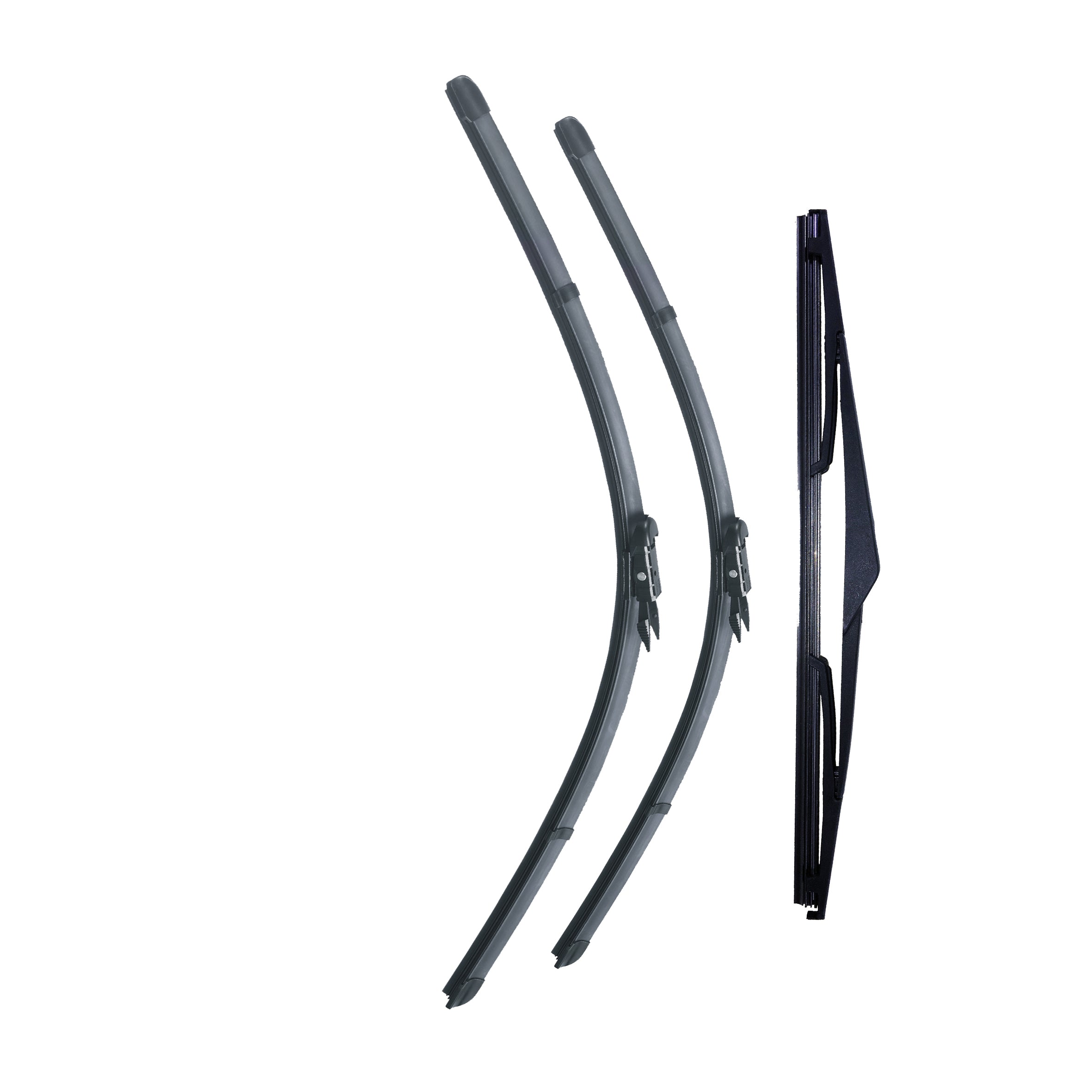
Our recommendation is to match the listing before you add anything to the basket. For example, the Vauxhall Corsa E Hatchback Oct 2014 to Nov 2019 Front & Rear Wiper Blade Set includes two front blades and one rear blade, with the driver blade at 26 inches (650mm), the passenger blade at 16 inches (400mm) and the rear blade at 12 inches (300mm). Those three sizes are what you should confirm against your existing blades.
Checking Connector Type Before You Order
Length alone does not guarantee fit. The connector, the part that clips onto the arm, must also match. Pinch-tab, or C-clip, connectors are common on many British cars, and the Corsa E set above uses this type on its front blades.
Lift one blade away from the windscreen and look at where it joins the arm. Compare what you see with the fitting details in the listing. If you are unsure, message the team before ordering rather than guessing. A wrong connector is the most common reason blades come back.
Wiper Blade Sizes: Measuring Front and Rear Blades
Blade size is measured in inches and millimetres, and most UK listings show both. Measure the blade you are removing, from one end of the rubber to the other, rather than the arm.
Front blades are usually the longest, with the driver's side larger than the passenger's on most right-hand-drive cars. Rear blades are shorter. Write down each length before you search, because one wrong size means a blade that either overhangs the glass or does not reach the edge.
Watch out: a blade that is a few millimetres too short leaves a strip of windscreen unwiped, which cuts visibility in heavy rain. Always match the stated length exactly.
The article gives the following blade lengths and fitting points, which are useful to check before ordering.
| Item | Value | Note |
|---|---|---|
| Front blades | Usually longest | Driver's side larger on most right-hand-drive cars |
| Rear blades | Shorter | Measure each position separately |
| Measurement units | Inches and millimetres | Most UK listings show both |
| Mismatch risk | Strip left unwiped | Caused by a blade a few millimetres too short |
Flat Wiper Blades Versus Conventional Blades
Flat wiper blades have a single, curved, sealed spoiler design with no exposed metal frame. Conventional blades use a metal frame and several joints. Both can clean a windscreen well, but they behave differently.
Flat blades tend to hold their shape at speed and in winter, when ice and snow can build up on a frame. The right choice usually depends on what your car takes, since not every arm accepts a flat blade. Since winter conditions can put extra strain on a blade, choosing the right windshield wipers starts with matching the fit to your arm and the weather you drive in.
The Nissan Qashqai SUV May 2021 Onwards Wiper Blade Set uses a natural rubber element and a pre-tensioned steel spine. Check the listing to confirm the blade style suits your arm before buying.
Are Cheap Wiper Blades Any Good?
Cheap blades are not automatically poor, but price alone tells you little. The useful questions are whether the blade fits your arm, what the rubber is made of and how the product is supported after purchase.
Where cheap blades let people down is in fit and rubber quality. A blade with a poor connector chatters and streaks, and rubber that splits within months leaves smears that are hard to live with.
Buy on fit first. Once the size and connector are right, compare rubber type and the returns policy. Vipa Car Parts offers 30-day no quibble returns and free delivery on all orders.
How to Change Wiper Blades Step by Step
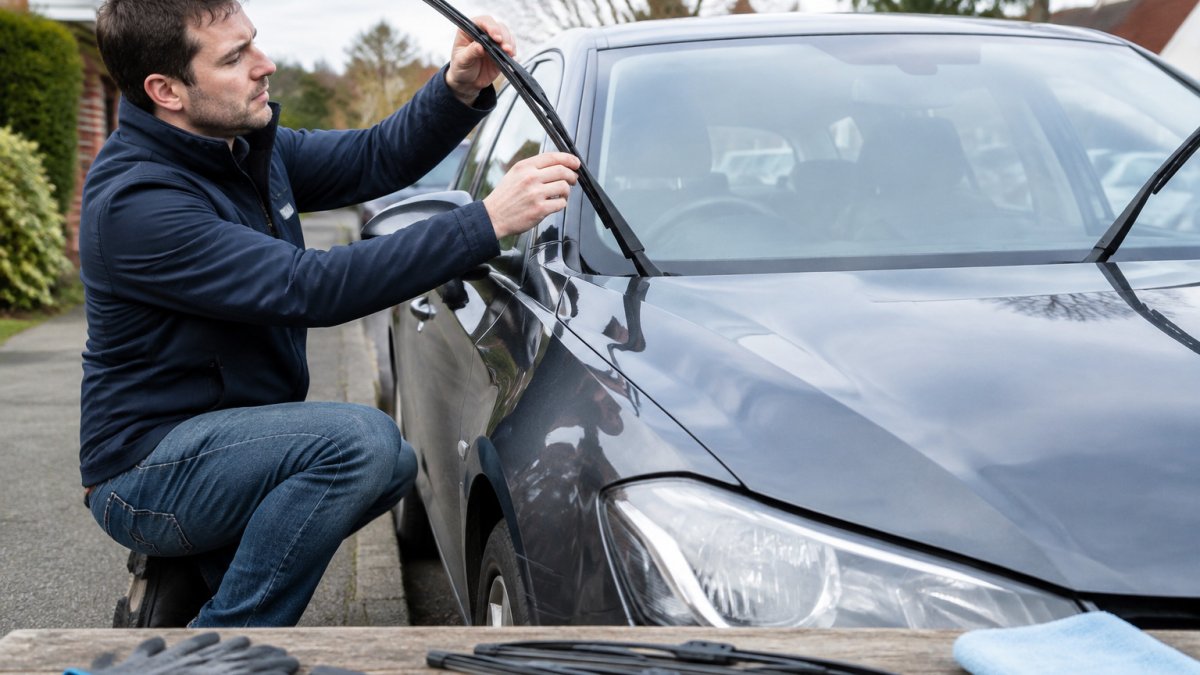
Changing a wiper blade is usually quick, but the method depends on the connector. The three you are most likely to meet are the pinch-tab (C-clip), the bayonet and the hook arm. Identify yours before you start by lifting the blade away from the glass and looking at where it joins the arm.
Pinch-tab (C-clip) connector
- Lift the wiper arm away from the windscreen until it locks upright. Do not let it drop back onto the glass.
- Press the release tab on the connector and slide the blade down and away from the arm.
- Slide the new blade onto the arm until it clicks. Tug it gently to confirm the tab has locked.
- Lower the arm gently back onto the screen and run the washers to check the new blade sweeps cleanly.
Bayonet connector
- Lift the arm upright.
- Press the small release button on the side of the connector and pull the blade straight off the arm.
- Push the new blade onto the arm until the button clicks into its hole.
- Lower the arm and test the sweep.
Hook arm
- Lift the arm upright.
- Rotate the blade so it is at right angles to the arm, then slide it off the hook.
- Hook the new blade on and rotate it back to its running position until it seats.
- Lower the arm and test the sweep.
Watch out: if the new blade does not click or seat firmly, do not force it. A connector that is the wrong type for the arm will feel loose and can fly off in rain. Compare the old and new connectors side by side before fitting.
The fitting instructions included with each set cover the connector type in detail. Fitting instructions are included with the listed sets, and some listings include a front wiper fitting video.
Practical tip: fit one blade at a time. Keep the old blade beside the new one so you can compare them during fitting.
Common fitting mistakes and troubleshooting
- Protective cover left on. Some new blades ship with a plastic or rubber cover over the rubber element. Remove it before fitting, or the blade will smear.
- Incorrect adapter fitted. Many sets include two or three adapters. Fit the one that matches your arm, not the one that looks closest.
- Blade not locked. A blade that moves freely along the arm has not clicked home. Refit it before driving.
- Arm dropped onto glass. If the arm slips while the blade is off, it can crack the windscreen. Lower it slowly and keep a hand on it.
Safe disposal of old blades
Old blades are mostly metal and rubber and are not usually accepted in household recycling. Take them to a local household waste recycling centre, or ask the retailer whether they accept returns for disposal. Do not leave old blades loose in the car, where they can scratch trim or glass.
!How to Change Wiper Blades Step by Step
Diagnosing Worn Blades and Knowing When to Replace Them
Wiper blades rarely fail without warning. The symptoms below each point to a likely cause and a sensible next step.
- Streaking. Lines of water left behind usually mean the rubber edge is worn or has hardened. Clean the blade first; if streaking persists, replace it.
- Juddering or skipping. The blade hops across the glass. This can be a worn blade, a bent arm or a contaminated windscreen. Clean the glass and the blade, then check the arm for play.
- Missed areas. A strip of screen left unwiped often means the blade is the wrong length or the arm is not applying even pressure. Check the size against the listing.
- Squeaking. Usually caused by a dry or hardened rubber edge or a dirty screen. Clean both; replace the blade if the noise continues.
- Smearing. A film left across the glass suggests the rubber is breaking down or the blade has been contaminated with oil or wax. Replace the blade and clean the screen.
Inspection routine
Once a month, lift each blade and run a finger along the rubber edge. Look for cracks, splits, missing chunks and rubber that has pulled away from the frame. Check the connector for cracks or looseness. Clean the rubber with a damp cloth and a little screenwash, and wipe the windscreen where the blade parks.
When to replace
The right replacement interval depends on how often the car is parked outdoors, how much it is used and whether it is exposed to tree sap, salt or grit. Check blades before the winter months, when a worn blade is least useful. If a blade still streaks after a clean windscreen, replace it.
Watch out: never run the wipers on a dry screen to test them. Use the washers instead.
!Diagnosing Worn Blades and Knowing When to Replace Them
Ordering Your Replacement Set Before Your Next MOT
Wiper blades are checked during an MOT, and a blade that is torn or no longer clears the glass can cause a failure (MOT inspection manual: cars and passenger vehicles - 3. Visibility - Guidance). Ordering in advance means you are not searching for a fitting at the last minute.
If your car takes a matched front and rear set, the Vauxhall Corsa E Hatchback Oct 2014 to Nov 2019 Front & Rear Wiper Blade Set covers all three positions in one order. Browse the full range to find the set for your vehicle. Free delivery and 30-day no quibble returns apply to every order.
Frequently Asked Questions
How do I find the right wiper blades for my car?
Enter your vehicle registration in the search tool on the Vipa Car Parts site to see the blade sizes and connector type fitted to your car. Vipa offers a perfect-fit guarantee, so you can order with confidence. If you are unsure, check your existing blade lengths against the listing details before you buy. Front and rear blades usually differ in length, so check each position separately.
Are cheap wiper blades any good?
Cheap wiper blades can clear the windscreen well when they fit correctly and the rubber is in good condition. The main risks are poor fit, which causes chatter and streaking, and rubber that wears out faster. Compare the blade construction and the fit details before buying rather than judging by price alone. Vipa Car Parts sells front and rear sets from £25.99 to £27.99, with free delivery and 30-day no-quibble returns on all orders.
Do front and rear wiper blades need to be the same size?
No. Front driver and passenger blades are often different lengths, and the rear blade is usually shorter again. For example, the Vauxhall Corsa E Hatchback set uses a 650mm driver blade, a 400mm passenger blade and a 300mm rear blade. Always measure or look up each position individually, because swapping sizes between positions can leave gaps in the wipe pattern.
