

Finding Wiper Blades for Older Cars: A Step-by-Step Guide
Table of Contents
- Why Finding the Right Wiper Blades for Older Cars Matters
- How to Measure Wiper Blades on Your Older Vehicle
- Wiper Blade Fitting Types Explained
- Common Wiper Blade Sizes for Older Car Models
- Are Online Wiper Blades Reliable for Older Vehicles?
- Where to Find Wiper Blades for Older Cars
- Installation Tips and Common Mistakes to Avoid
- Frequently Asked Questions
Last Updated: September 27, 2026
Why Finding the Right Wiper Blades for Older Cars Matters
Finding wiper blades for older cars isn't just about clearing rain from your windscreen. It's about safety, visibility, and avoiding the frustration of buying the wrong part. Older vehicles often use different blade fitting systems than modern cars, which means a generic approach won't work.
Many drivers waste time and money ordering blades that don't fit. You might get home with a box that looks right, only to discover the connectors don't match your car's arms. That's a common mistake that costs time and creates unnecessary returns.
Proper wiper blades matter before your MOT inspection too. Examiners check that your wipers work effectively and clear the screen properly. Worn or incorrect blades can result in a failed inspection, delaying your road safety certification.
At Vipa Car Parts, we've helped over 1 million UK drivers find perfectly fitting wiper blades for their vehicles. Our fitment data means we understand the quirks of older models. We know which blade types fit which cars, and we've built our matching system to be accurate and reliable.
How to Measure Wiper Blades on Your Older Vehicle
Finding the correct blade size starts with measurement. You can measure your existing wipers or use your registration details to find the exact specifications. Both methods work, but they serve different purposes.
Physical measurement method
The physical measurement method works when you want to know your current blade length. Grab a measuring tape and measure from the metal connector to the end of the rubber blade. Write down the measurement in millimetres.
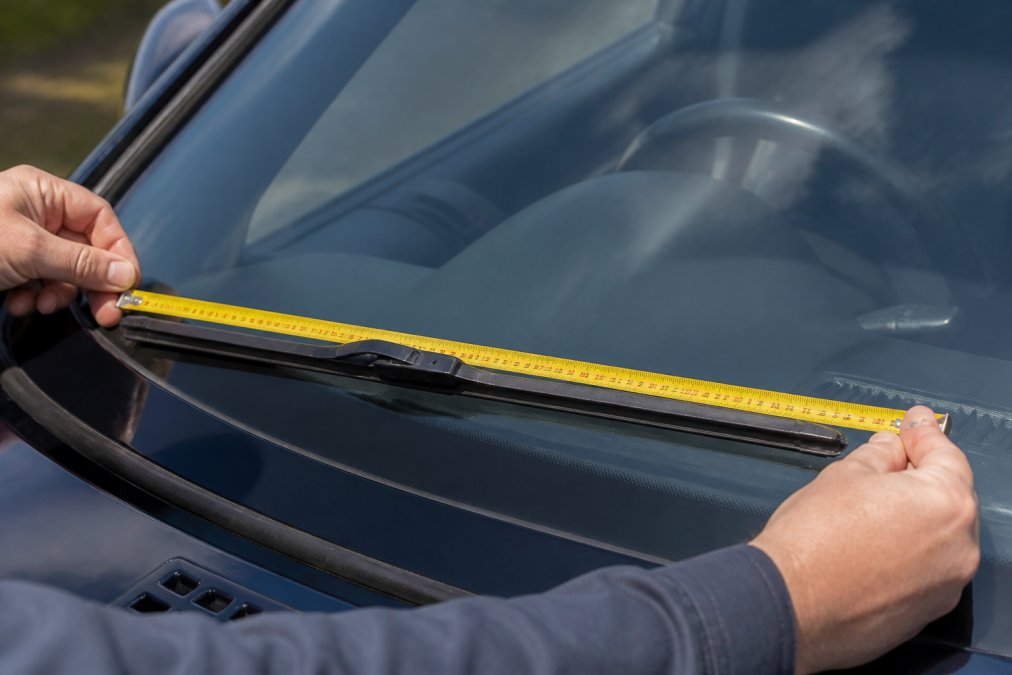
Most older cars use blades between 400mm and 700mm, though this varies widely. The driver's side blade is often a different length from the passenger side. Check both blades and record each measurement separately.
Once you have your measurements, look for blades that match those exact sizes. This method works well if your current blades are the correct fit for your car. However, if the existing blades are wrong, you'll just order the wrong size again.
Using your registration number
Your registration number is the most reliable way to find fitting wiper blades for older cars. This method bypasses guesswork entirely and connects you directly to the correct blade type and size for your specific vehicle.
Enter your registration into a parts finder tool. The system cross-references your vehicle's year, make, model, and trim level. It then returns the exact blade specifications your manufacturer fitted.
This approach works even if you've never seen your car's wiper blades. It's especially useful for older vehicles where the original blades may have been replaced with incorrect alternatives. The registration method guarantees accuracy because it's based on factory fitment data, not estimates.
Many online retailers, including Vipa Car Parts, offer a registration search tool. Simply type your number plate and the system shows you compatible wiper blade options instantly. This removes all doubt about whether blades will fit.
Wiper Blade Fitting Types Explained
Older vehicles use three main fitting systems. Understanding which type your car uses prevents ordering incompatible blades. The fitting type is separate from blade length, so you need to know both.
Hook-style fittings
Hook-style fittings are the oldest and most common system on vehicles from the 1980s and 1990s. The wiper blade has a hooked connector that slides onto a corresponding hook on the wiper arm. This design is simple and reliable.

To identify a hook-style fitting, look at the end of your wiper arm. You'll see a curved metal hook. The blade slides onto this hook with a slight twist and click. Removal is equally straightforward: twist and pull away from the arm.
Hook-style blades are still widely available because so many older cars use them. They're affordable and easy to fit yourself. The main advantage is simplicity: no clips, no buttons, no confusion. Just slide and twist.
Pin-style and bayonet fittings
Pin-style fittings feature a small pin protruding from the wiper arm. The blade has a corresponding hole that slides over this pin. Bayonet fittings work similarly but use a rotating collar to lock the blade in place.
CARBODIES FX4R Special Design Jan 1982 →
These systems were common on vehicles from the late 1980s through early 2000s. They're more secure than hook-style fittings and less likely to rattle. However, they require more precision during installation.
To fit a pin-style blade, align the hole in the blade with the pin on the arm. Slide the blade onto the pin until it seats fully. For bayonet fittings, slide the blade on and then rotate the collar clockwise until it locks.
Pinch-tab connectors
Pinch-tab connectors use a small tab on the blade that pinches around a groove on the wiper arm. This design offers a secure fit with minimal moving parts. Many European vehicles from the 1990s used this system.
To identify a pinch-tab connector, look for a small rectangular tab on the blade connector. The wiper arm has a corresponding groove. The blade slides into place and the tab automatically pinches to hold it secure.
Pinch-tab blades are straightforward to install. Align the tab with the groove and slide the blade onto the arm. The connection is tight and stable. Removal requires a small amount of force to release the tab.
Common Wiper Blade Sizes for Older Car Models
Older vehicles vary significantly in their wiper blade requirements. The following table shows typical blade sizes for popular older models. Always verify your specific model's year and trim level, as manufacturers sometimes changed blade types during a model's production run.

| Vehicle Model | Year Range | Driver Blade | Passenger Blade |
|---|---|---|---|
| Ford Fiesta | 1989-1995 | 550mm | 400mm |
| Vauxhall Astra | 1991-1998 | 600mm | 400mm |
| VW Golf | 1992-1997 | 650mm | 400mm |
| Rover 25 | 1995-2005 | 600mm | 400mm |
| Nissan Micra | 1992-2002 | 550mm | 400mm |
| Peugeot 306 | 1993-2001 | 600mm | 400mm |
| BMW 3 Series | 1991-1998 | 650mm | 400mm |
This table provides general guidance only. Your specific vehicle may differ based on trim level or regional specification.
Are Online Wiper Blades Reliable for Older Vehicles?
Many drivers worry about ordering wiper blades online for older cars. The concern is understandable: older vehicles use unfamiliar fitting systems, and mistakes are costly. The reality is that online ordering is reliable when you use proper fitment tools.
Where to Find Wiper Blades for Older Cars
Finding the right retailer matters as much as finding the right blade. Not all suppliers stock older vehicle fitments, and some lack the expertise to match blades accurately.
Installation Tips and Common Mistakes to Avoid
Installing wiper blades yourself is straightforward when you know what to expect. Most people complete the job in under five minutes. The key is understanding your blade's fitting type before you start.
Common mistakes to avoid:
- Forcing a blade onto the wrong fitting type. This damages both the blade and the wiper arm.
- Assuming both blades are the same size. Many older cars use different lengths on each side.
- Forgetting to check the fitting type before ordering. Hook, pin, bayonet, and pinch-tab connectors are not interchangeable.
- Ordering blades based on guesswork instead of your registration number. This is the fastest way to get the wrong fit.
- Installing blades without checking they're secure. A loose blade can rattle or fall off while driving.
Installation steps:
Frequently Asked Questions
How do I know which wiper blades fit my older car?
The most reliable method is checking your vehicle's registration number through an online parts finder, which will match your exact model and year to the correct blade size and fitting type. If you prefer manual checking, measure your existing blades from end to end in millimetres and note the fitting clip style (hook, pin, or bayonet). Older cars often use different fitting types than modern vehicles, so verifying the connector type is crucial before ordering wiper blades for older cars.
Can I still buy original style wiper blades for classic and vintage vehicles?
Yes, specialist retailers stock retro-specification wiper blades designed for older vehicles. These blades match the original fitting types and dimensions your car requires. For example, Vipa Car Parts offers retro upgrade wiper blade kits for models like the Carbodies FX4R (1982-1985) and Vauxhall Carlton Estate (1986-1994), complete with fitting instructions and a perfect-fit guarantee to ensure compatibility.
Are online wiper blades reliable for older cars, or should I buy from a local shop?
Online retailers specialising in wiper blades can be just as reliable as high street shops, provided they offer a perfect-fit guarantee and have clear fitment data for older models. Look for retailers with strong customer reviews, 30-day returns policies, and free delivery. Many online suppliers have built fitment databases over years and understand the variations in older vehicles better than general parts retailers, making them a trustworthy option for finding blades that actually fit.
What should I do if my older car uses an obsolete or unusual wiper blade fitting?
Contact specialist wiper blade retailers directly before ordering. They can advise whether replacement blades are available for your fitting type or recommend compatible modern alternatives. Some older vehicles use discontinued connectors, but specialists often stock adapters or can suggest the closest modern equivalent. Always verify fitment dates match your vehicle's registration to avoid ordering incompatible blades.