

When to Replace Windshield Wiper Blades: A Driver's Guide
Last Updated: November 14, 2026
Quick Summary
Replace your wiper blades every six to twelve months, or sooner if they streak, smear, squeak or chatter. Drivers in wet weather or heavy grit should plan on the six-month end of that range, while occasional fair-weather drivers can often stretch to twelve months.
- Check your blades monthly for streaking, smearing, missed areas, squeaking, chattering, cracks or a shiny rubber edge.
- Clean the glass and re-test before replacing blades that are under a year old.
- The connector type, not the blade length, is what actually decides fitment.
- Never switch wipers on over a frozen screen, as this tears rubber and can burn out the motor.
- Rear wipers wear just as fast as the fronts and should be replaced on the same rhythm.
Table of Contents
- How Often to Replace Wiper Blades
- Signs Wiper Blades Need Replacing
- How to Check Wiper Blades: A Practical Inspection Checklist
- Diagnosing Wiper Problems Before You Buy New Blades
- Blade Types and Getting the Correct Fitment
- How to Change Windscreen Wipers
- Seasonal Care, Rear Wipers and Washer Systems
- Find the Right Wiper Blades for Your Car
- Frequently Asked Questions
How Often to Replace Wiper Blades
Wiper blades should be replaced every six to twelve months, or sooner if they show signs of wear (How to check and replace your wiper blades - Expert Advice). That is the short answer to the question of when to replace windscreen wiper blades, and it is the interval we recommend to every driver who asks us. At Vipa Car Parts, we only sell wiper blades, so we spend our working days thinking about rubber, fitment and windscreen clarity rather than general car parts. Below, we will show you exactly how to judge your own blades, inspect them properly and fit replacements without a garage visit. But first, here is what most guides get wrong: they treat a calendar date as the whole answer, when the real trigger is how the rubber is performing on your glass.
What Affects Wiper Blade Lifespan
Several factors shorten blade life well before the twelve-month mark. Your local climate matters most: areas with heavy rain and grit wear rubber faster than dry regions. Frequent motorway driving exposes blades to road spray and airborne grit, while a car parked outside under trees collects sap and pollen that degrade the rubber edge. Low-use vehicles are not immune either, because rubber hardens and loses flexibility when it sits unused for weeks. Hot summers followed by cold winters are the harshest combination, causing the rubber to crack and split. If you drive daily in wet weather, plan on the six-month end of the range; occasional fair-weather drivers can often stretch to twelve.
Signs Wiper Blades Need Replacing
The clearest signs are streaking, smearing, missed areas, squeaking or chattering. Any one of these means the rubber is no longer making even contact with the glass. Run through this checklist monthly:
- Streaks or bands left across the windscreen after a sweep
- A smeared film that clears a second or two after the blade passes
- Patches the blade skips entirely
- Squeaking, juddering or chattering as the blade moves
- Visible cracks, splits or a hardened, shiny rubber edge
- The blade frame lifting away from the glass at speed
Streaking, Smearing and Missed Areas
Streaking happens when the rubber edge has worn unevenly, so parts of the blade press harder than others. Smearing is different: it leaves a thin film that catches low sun and oncoming headlights, which is genuinely dangerous at night. Missed areas usually mean the blade has lost its curve or the arm spring is weak. If you see any of these, the blade is past its best.
Squeaking, Chattering and Juddering
Noise is friction telling you something. A squeak often means the rubber has hardened and is dragging rather than gliding. Chattering, where the blade stutters across the glass, can also point to a worn arm or a dirty screen, so clean the glass first before blaming the blade. Juddering that persists after a clean is a replacement signal.
How to Check Wiper Blades: A Practical Inspection Checklist
Inspection takes two minutes and saves you from discovering worn blades in a downpour. Here is how we would do it.
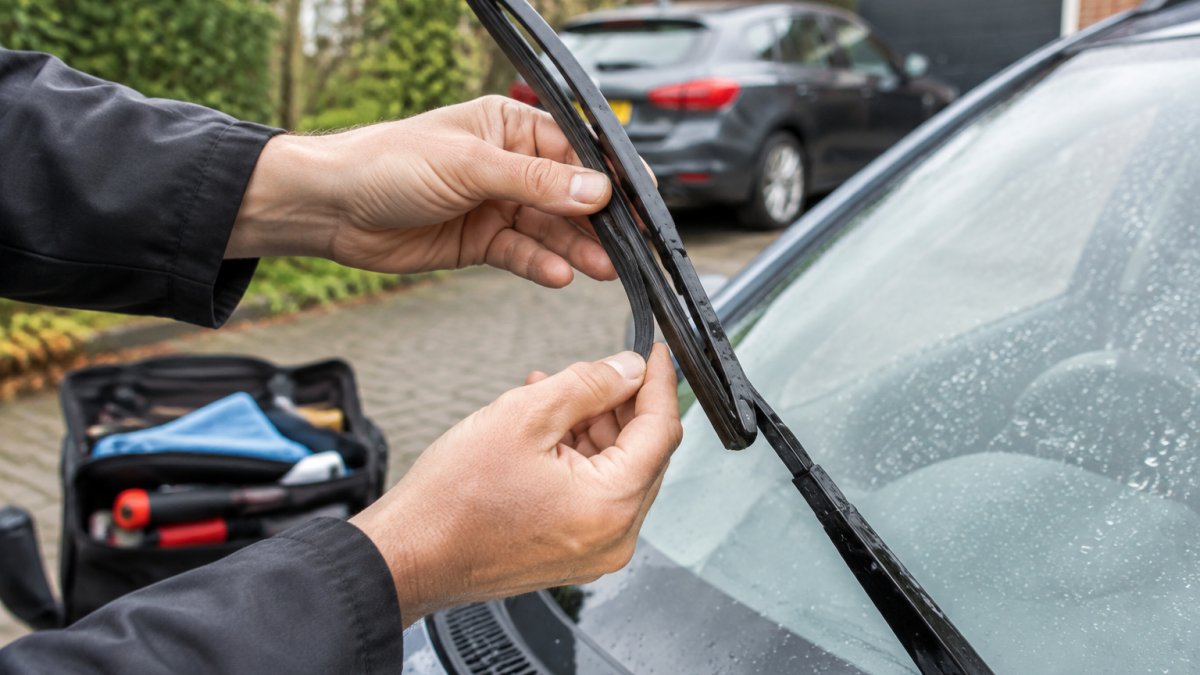
- Lift each wiper arm away from the windscreen and run a finger along the rubber edge. It should feel smooth and flexible, not hard, cracked or ragged.
- Look for splits, missing chunks or a shiny glazed surface on the rubber.
- Clean the glass with washer fluid and a cloth, then run the wipers and watch for streaks or missed patches.
- Check the blade sits flat against the glass along its full length, with no lifted ends.
- Test at low speed first, then normal speed, and listen for noise.
Watch out: never let a wiper arm snap back onto the glass, as the bare metal can crack the windscreen.
Diagnosing Wiper Problems Before You Buy New Blades
Not every bad wipe means new blades are needed. Before spending anything, rule out the cheap fixes. Dirty glass is the most common culprit: a film of traffic grime or tree sap causes smearing that mimics a worn blade, so clean the screen thoroughly with a proper glass cleaner and re-test. Check your washer fluid level and the jets, since a weak spray leaves the blade dragging over dry dirt. Inspect the wiper arm for a bent frame or a weak spring, which causes uneven pressure and missed areas even with a fresh blade. If the blades are under a year old, clean and re-test before replacing. If they are older than twelve months and still streak after a clean, replacement is the sensible call.
Blade Types and Getting the Correct Fitment
Getting the right blade matters more than the brand on the box. Most modern cars use one of three blade types, and each behaves differently on the glass.
Conventional blades have a metal frame with several pressure points along the rubber.
The connector, not the blade length, is what actually decides fitment. The common types are:
- Hook (J-hook): the arm ends in a curved hook that the blade slots onto; still the most widespread fitting on older and many current vehicles.
- Pinch-tab: a small tab on the blade is squeezed to release it from a flat arm; common on many modern cars.
- Push-button: a button on the connector must be pressed before the blade slides off.
- Bayonet: a straight arm with a locating pin, often found on older vehicles and some European models.
- Side-pin and top-lock: less common variations that look similar to pinch-tab but are not interchangeable.
Two connectors can look almost identical at a glance, so never assume. The reliable route is to search by your vehicle registration rather than guessing from a photo, then check the blade lengths against the ones currently fitted. If you are unsure, a full vehicle-specific kit removes the guesswork, such as this Honda Stream MPV wiper blade kit which shows exactly what a correct complete fitment looks like.
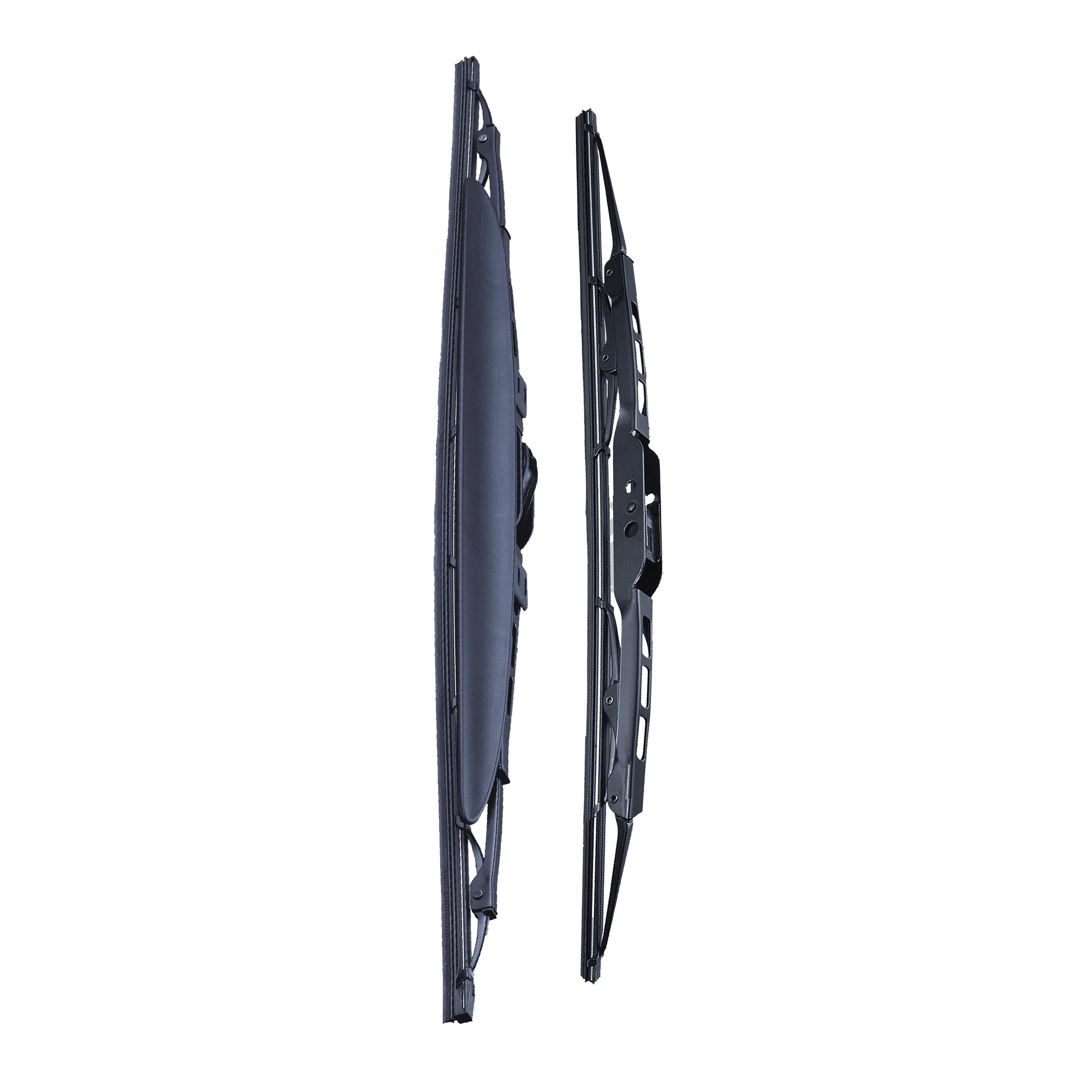
| Blade Type | Best For | Watch For |
|---|---|---|
| Conventional | Older vehicles, budget | Frame can lift at speed; traps grit |
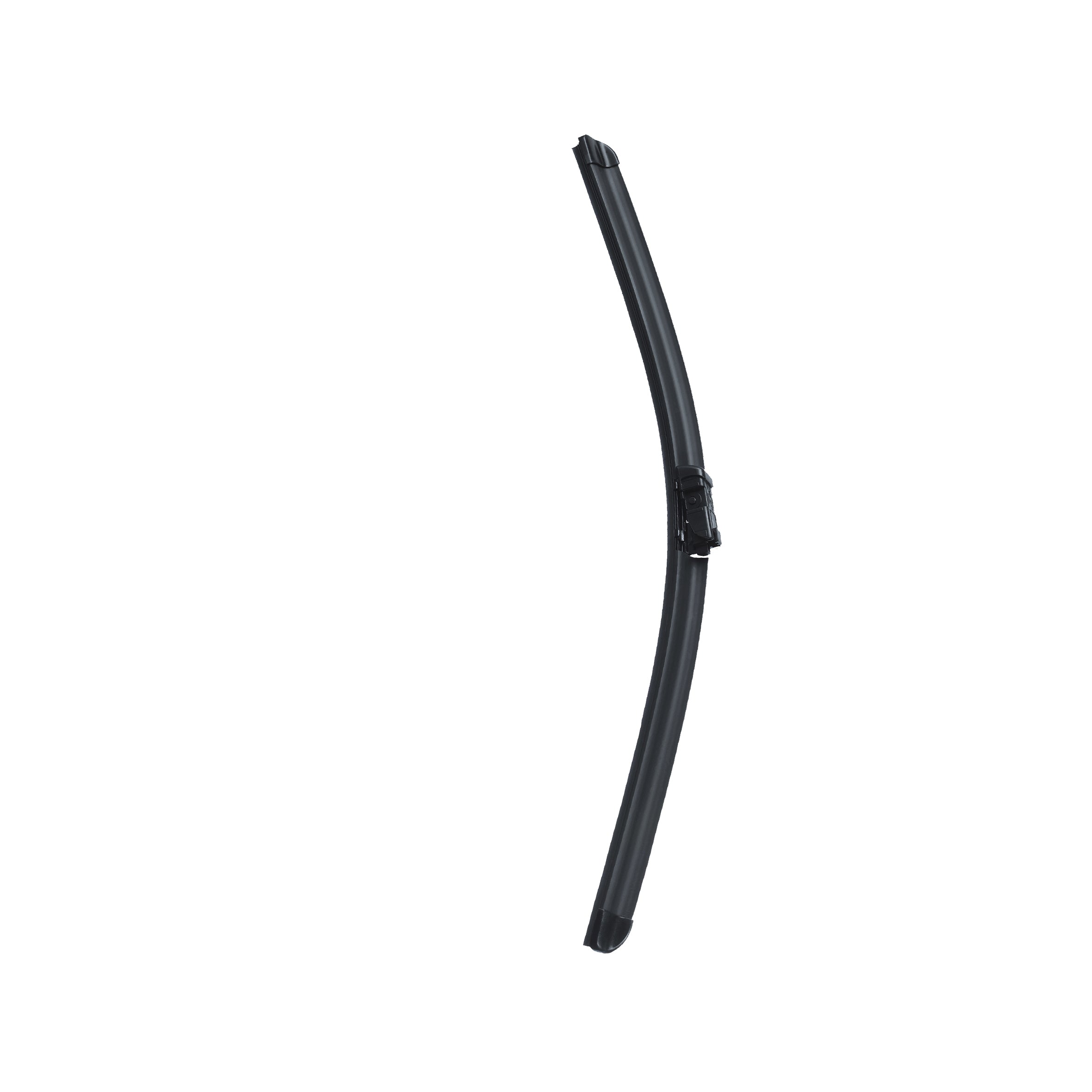
| Flat/beam | Modern cars, motorway driving | Needs exact connector match |
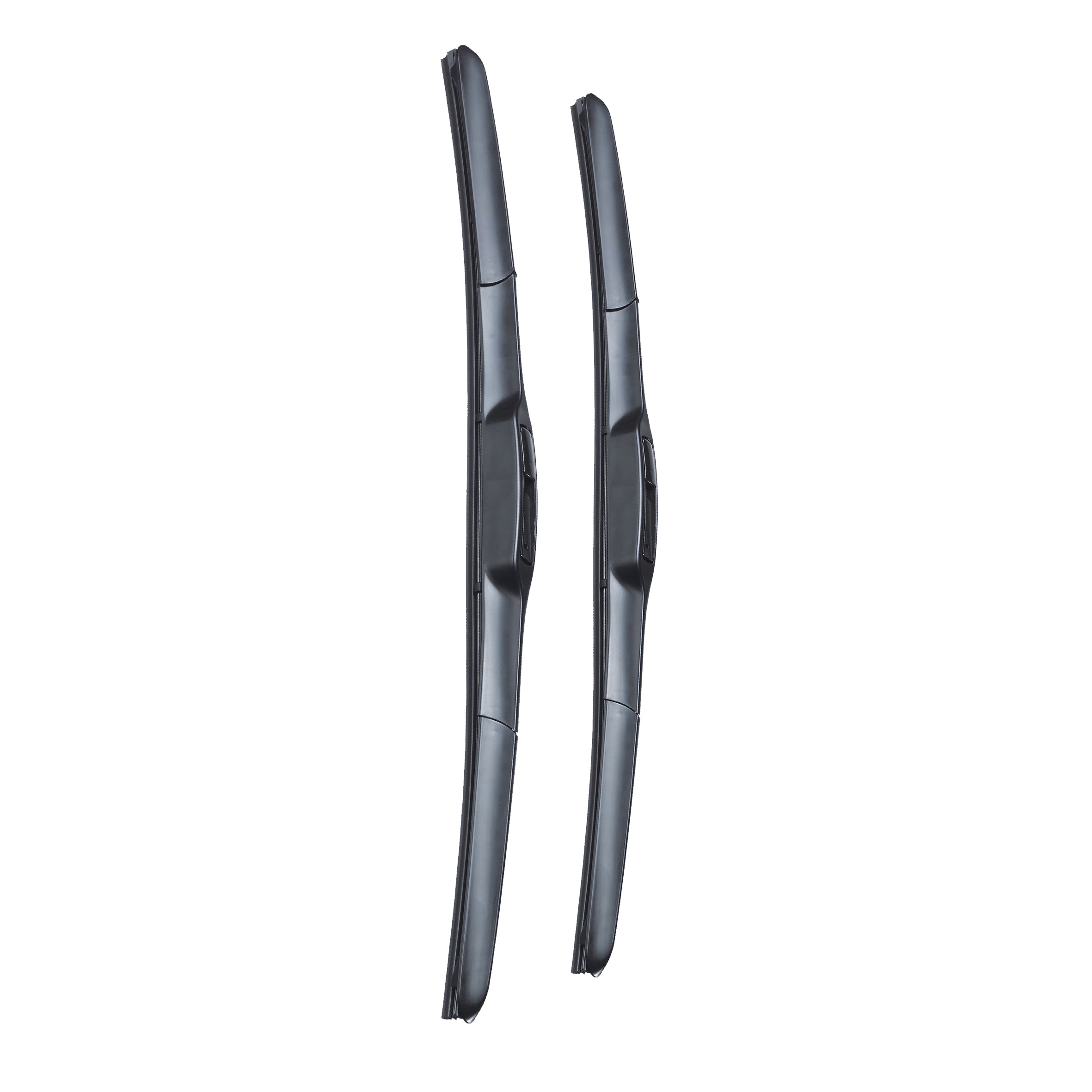
| Hybrid | Mixed driving, all weather | Check blade length carefully |
Watch out: a blade that clicks into place but sits proud of the arm is the wrong connector, even if it feels secure, it will lift at speed and can scratch the glass.
How to Change Windscreen Wipers
Fitting new blades is a ten-minute job with no special tools. Here is the process we recommend.
- Switch off the ignition and lift the wiper arm to its upright position.
- Press the release tab on the connector and slide the old blade off the arm.
- Compare the new blade to the old one: length and connector should match exactly.
- Clip the new blade onto the arm until it clicks firmly into place.
- Lower the arm gently onto the glass and test the wipe at both speeds.
If you are replacing the rear blade at the same time, this Chevrolet Trax rear wiper blade shows the kind of vehicle-specific rear part to order alongside your fronts. Fitting instructions come with every kit we send, and our fitting guides walk you through the connector type for your model.
Seasonal Care, Rear Wipers and Washer Systems
A little prevention stretches blade life noticeably, and the way you treat the blades through the seasons matters more than the brand you buy.
Winter. Frost and ice are the harshest test. Never scrape a frozen blade off the glass or switch the wipers on before the screen has thawed, as the rubber edge tears and the arm can strip its splines.
Summer. UV hardens rubber faster than anything else, and a blade left in direct sun all day will glaze and chatter within months.
Rear wipers. They wear just as fast as the fronts and are often the first to fail quietly, because drivers notice a streaky rear screen far less often. A rear wiper set like this Fiat Talento rear blade set keeps the whole screen clear through winter.
Washer systems. A weak spray leaves the blade dragging over dry dirt, which wears the rubber edge and smears the glass.
Watch out: switching the wipers on to clear a frosty screen can burn out the wiper motor as well as tear the rubber, so always clear the glass first.
Find the Right Wiper Blades for Your Car
The fastest way to the correct blade is to search by registration. If you want to confirm the replacement rhythm first, our guide on how often to change wiper blades goes deeper on UK driving conditions. For a ready-made example of a premium kit, this Kia Ceed Estate wiper blades kit at £24.99 shows what you get: OE-style direct replacement blades, aerodynamic design, all-weather performance and a quick-fit connector.
Worn blades turn a routine drive in the rain into a strain, and the fix costs less than a tank of fuel. Vipa Car Parts exists for exactly this job: we only sell wiper blades, matched to your registration, with free delivery, a perfect-fit guarantee and 30-day no-quibble returns. Get started with Vipa Car Parts and put clear, confident visibility back on your windscreen.
Frequently Asked Questions
How often should you replace your wiper blades?
Most manufacturers and motoring bodies suggest replacing wiper blades every six to twelve months, with annual replacement a sensible habit for most drivers. If you park outside, cover high mileage or drive through harsh winters, you may need to change them closer to the six-month mark. Check them monthly and replace as soon as performance drops rather than waiting for a set date.
What are the signs that wiper blades need replacing?
Watch for streaking or smearing across the windscreen, missed areas that never clear, squeaking or chattering, and visible cracked or split rubber along the blade edge. A blade that skips or judders is also worn. If you notice any of these during rain or while using washer fluid, the blades are past their best and new ones will restore clear vision quickly.
Can you replace wiper blades yourself?
Yes. Fitting wiper blades is one of the simplest maintenance jobs on a car. Lift the arm, release the old blade using the connector clip, and click the new one into place. Most blades take under ten minutes for a pair. Vipa Car Parts includes fitting instructions with every set, so you can change windscreen wipers without a garage visit.
Why are my wiper blades smearing or streaking?
Smearing usually means the rubber edge has hardened or worn unevenly, so it pushes water around instead of clearing it. Dirt and oil on the glass can also cause streaks. Clean the windscreen and blades with washer fluid first. If streaking continues after a clean, the rubber is deteriorating and replacement blades are the fix.
Can worn wiper blades damage your windscreen?
A worn blade with exposed metal or a torn rubber edge can scratch glass over time, especially if grit is trapped underneath. The bigger risk is reduced visibility in rain, which affects driving safety. Replacing blades at the first sign of wear protects both your windscreen and your view of the road, and it is far cheaper than glass repair.
How do you make wiper blades last longer?
Use washer fluid rather than plain water, wipe the blades and glass clean every few weeks, and lift the blades off the screen before frosty mornings so the rubber does not freeze to the glass. Park in a garage or shade where possible. These habits slow rubber deterioration and help blades reach the twelve-month end of their lifespan.
